$100 flat, on top of the per-track mastering rate. A separate set of masters prepared specifically for lacquer cutting — the digital masters that sound great on Spotify are usually the wrong thing to hand the vinyl production engineer.
Why vinyl needs its own master
A vinyl record is a physical object with very physical limits. The groove has to fit on the side, the stylus has to be able to track it, and the cutting head has to be able to cut it. A loud, bright, wide digital master runs into all three. A vinyl pre-master is the same music, prepared so it cuts cleanly, plays back correctly, and still sounds like the approved master. That involves:
- Level and dynamics. Vinyl doesn’t need, and can’t use, streaming-era loudness. Less limiting means more dynamic range, which is what vinyl does well. The final level gets set by the cutting engineer based on side length; my job is to give them room and to ensure they don’t need to change anything else about the sound of your masters.
- Side length vs. loudness. Longer sides mean narrower grooves and lower level. Around 18–20 minutes per side on a 12” 33⅓ is comfortable; past 22 minutes you’re trading level and bass for length. I’ll let you know if your sequence is not ideal.
- Low end. Out-of-phase bass can make the stylus jump. Frequencies below roughly 100–150 Hz get summed to mono with an elliptical EQ so the groove stays cuttable without changing how the low end sounds.
- Sibilance and high frequencies. Harsh “s” sounds and hot cymbals distort on the cut and on playback, especially toward the inner grooves where the groove is moving slower. De-essing and careful high-frequency control avoid that without making the playback sound worse.
- Sequencing for the vinyl. Quieter, more delicate tracks belong at the end of a side, where inner-groove distortion is highest; the big loud track goes first. Listen to any of your favorite records from the ’70s and you’ll soon see this is often the rule.
What you get back
- One continuous file per side (Side A, Side B) with the gaps built in, at 24-bit and the highest sample rate that’s appropriate.
- A cue sheet / PQ listing with track start times per side
- Delivered as WAV files, or as a Vinyl Pre-Master CDR if your plant requires one.
The digital masters for streaming are a separate deliverable from the per-track mastering; you get both.
Lacquers
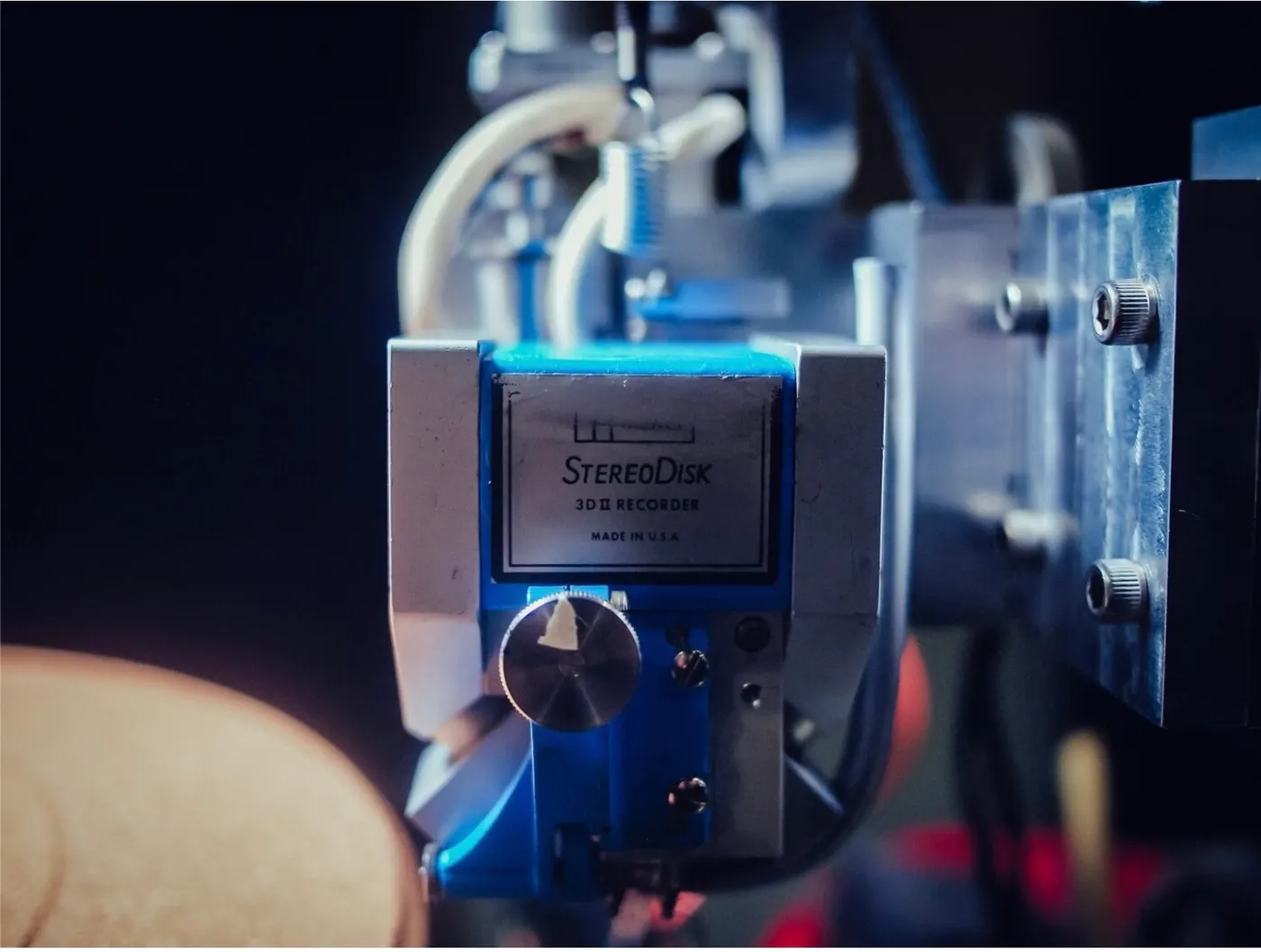
If you want the best possible result, I can also arrange for master lacquers to be cut rather than sending files to the pressing plant’s in-house cutting. It costs more and takes longer, but it’s the difference between “fine” and “that’s the record.” Contact me for a quote and I’ll walk you through it.
What to send
The same as for any mastering job: WAV or AIFF mixes with headroom, no limiter on the mix bus, at your native sample rate. If you’ve already had the digital masters done elsewhere, send the mixes and the masters — a limited master makes a worse vinyl pre-master, but I can match the sound of your approved masters.